DESCRIPTION
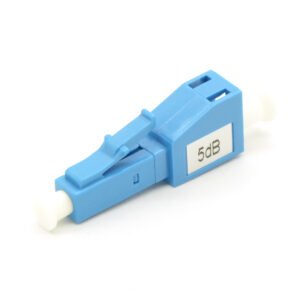
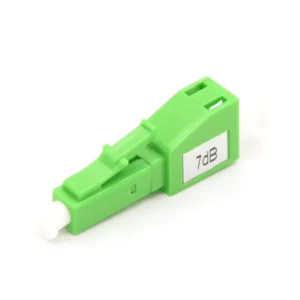
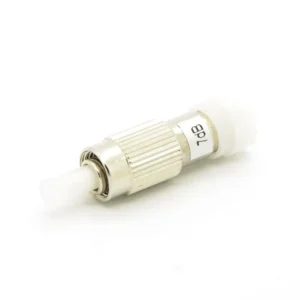
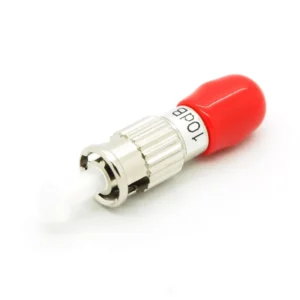
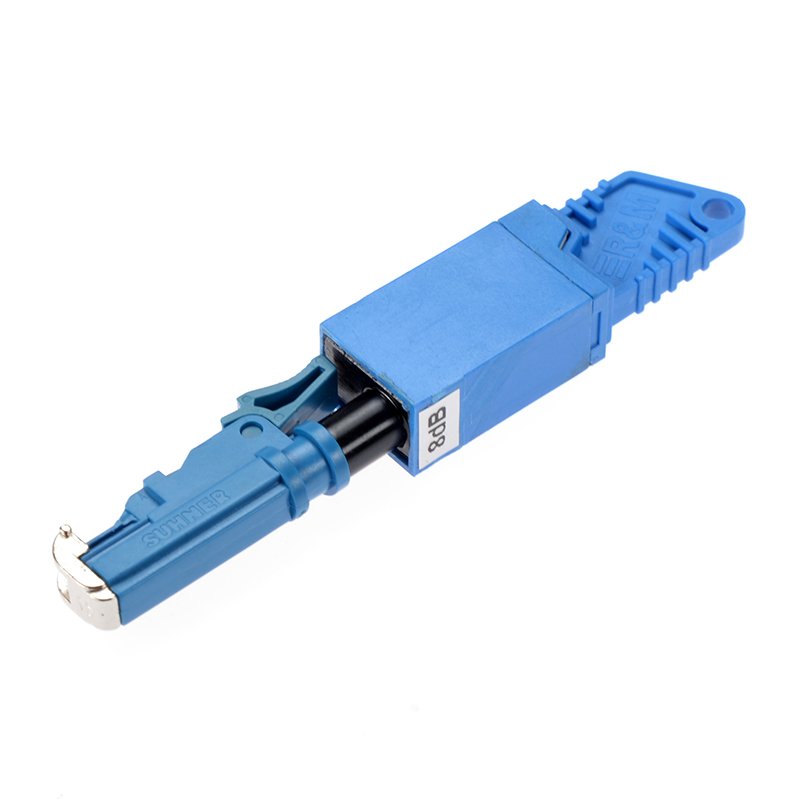
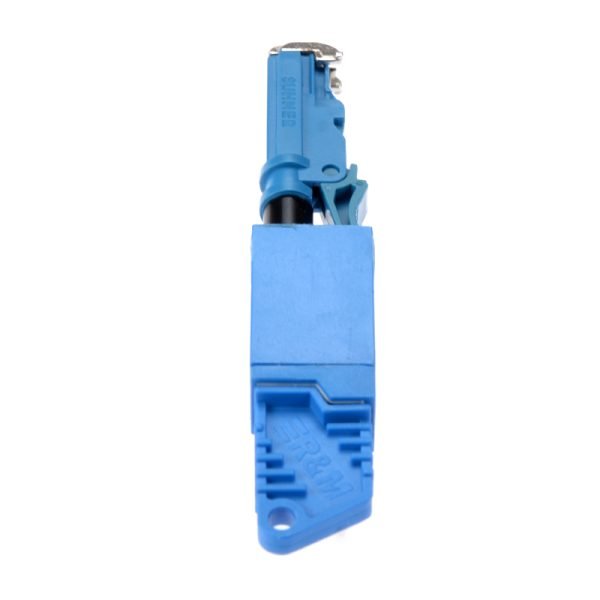
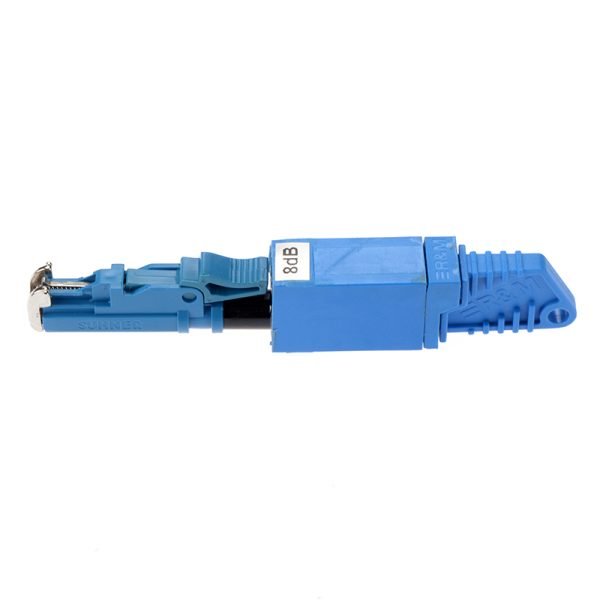
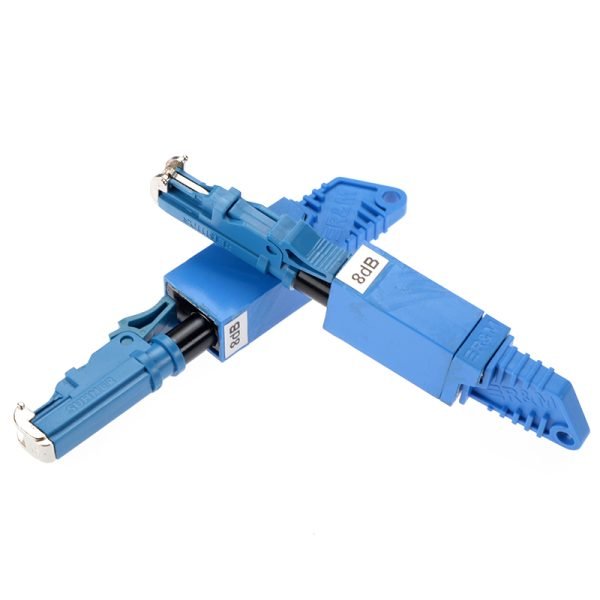
The E2000/UPC Single Mode Plug-in Fixed Fiber Optic Attenuator is designed for high-performance optical networks where precise control of signal strength is essential. This attenuator combines the E2000/UPC connector’s excellent optical properties with robust construction, making it ideal for various telecommunication and data communication applications. Its reliable performance and easy installation make it a preferred choice for network operators and technicians.
Feature Details
- Accurate Signal Control: Provides consistent attenuation across the operating wavelength, helping maintain network stability and performance.
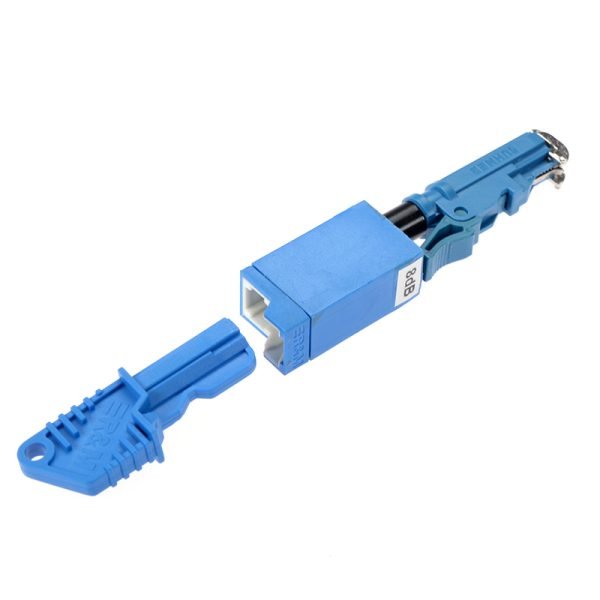
- Superior Connector Design: The E2000/UPC connector features a push-pull latching mechanism and integrated dust cap, offering enhanced protection and user convenience.
- Robust and Reliable: Constructed from high-quality materials, it ensures durability and resilience in demanding network environments.
- Flexible Attenuation Options: Available in attenuation levels ranging from 1dB to 25dB, accommodating various application requirements.
- Excellent Return Loss: The UPC polish ensures high return loss, reducing back reflections and optimizing signal integrity.
Product Specifications
| Fiber Connector | E2000/UPC |
|---|---|
| Transfer Mode | Single mode |
| Connector Gender | Fixed Male to Female |
| Attenuation Range | 0-25dB |
| Attenuation Accuracy | ±0.5dB(1dB-10dB); ±1.0dB(11dB-25dB) |
| Available Wavelengths | 1310nm,1550nm,1310&1550nm |
| Wavelength Dependence | <0.3dB Change in insertion loss for 1310-1550nm |
| Return Loss | ≥50dB(UPC); ≥60dB(APC) |
| Polarization Dependent Loss | ≤0.2dB |
| Temperature Range | -40-80°C(≤0.2dB in insertion loss) |
| Humidity Range | +/-0.2dB Change in 10% to 90% relative Humidity Range |
| Vibration | ≤0.1dB Change between 10Hz to 55Hz |
| Drop | +/-0.2dB after 8 drops from 1.8meters onto a hard surface |
| Maximum Optical Input Power | 200mW |
Application Details

- Telecommunication Networks: Regulates signal power in fiber optic links, ensuring consistent and reliable network performance.
- Data Centers: Manages power levels across different network components, enhancing overall system efficiency.
- FTTH Systems: Controls optical signal strength to prevent overloading at customer premises.
- Optical Testing and Measurement: Provides precise attenuation for accurate testing and diagnostics.
Selection Notes
- Typically selected when an E2000/UPC link needs controlled optical power reduction to prevent receiver overload or to stabilize measurement conditions, and a plug-in male-to-female form factor is preferred for quick insertion at patch points.
- May not be appropriate when the required attenuation value, wavelength plan, or power-handling expectation is not clearly defined for the specific link segment, as incorrect attenuation selection can create under-power conditions or mask real link issues during troubleshooting.
FAQ
Q1: What is the purpose of a fixed fiber optic attenuator?
It reduces optical signal power to prevent receiver overload and maintain network stability.
Q2: What attenuation values are available?
Fixed attenuation levels are available from 1 dB up to 25 dB.
Q3: What is the advantage of the E2000/UPC interface?
It offers low insertion loss, high return loss, and integrated dust protection for stable performance.
Q4: Is this attenuator suitable for single-mode networks only?
Yes, this model is designed specifically for single-mode fiber applications.
Q5: Can it be used in FTTH systems?
Yes, it is commonly used to control signal levels in FTTH access networks.
Q6: How is the attenuator installed?
It features a plug-in male-to-female design for quick installation without special tools.
Q7: What is the maximum optical input power?
The attenuator supports up to 200 mW of optical input power.