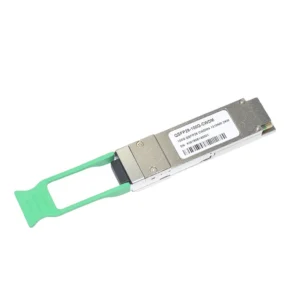
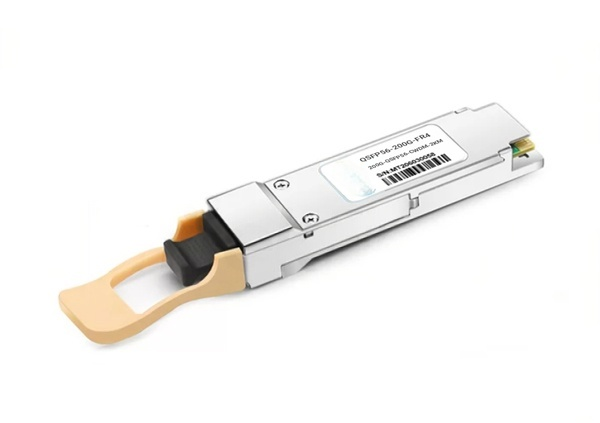
Contrasting Temperature Ranges: Commercial vs Industrial Grade Optical Transceiver Modules
Commercial Grade:
Commercial grade optical transceiver module are designed for use in standard office or data center environments where temperature conditions are controlled and typically fall within a specific range. The temperature range for commercial grade transceivers is typically 0°C to 70°C. These optical transceiver module are suitable for most common networking applications where the ambient temperature remains within this range.
Industrial Grade:
On the other hand, industrial grade optical transceiver module are built to withstand more extreme and challenging operating conditions. They are designed for deployment in harsh environments where temperature fluctuations can be significant. Industrial grade optical transceiver module have a wider temperature range compared to commercial grade optical transceiver module, typically spanning from -40°C to 85°C. This extended temperature range allows them to function reliably in environments with extreme temperature variations, such as outdoor installations, industrial facilities, or locations without controlled temperature conditions.
Direct Connection Solution for 200G QSFP56 Optical Transceivers Module
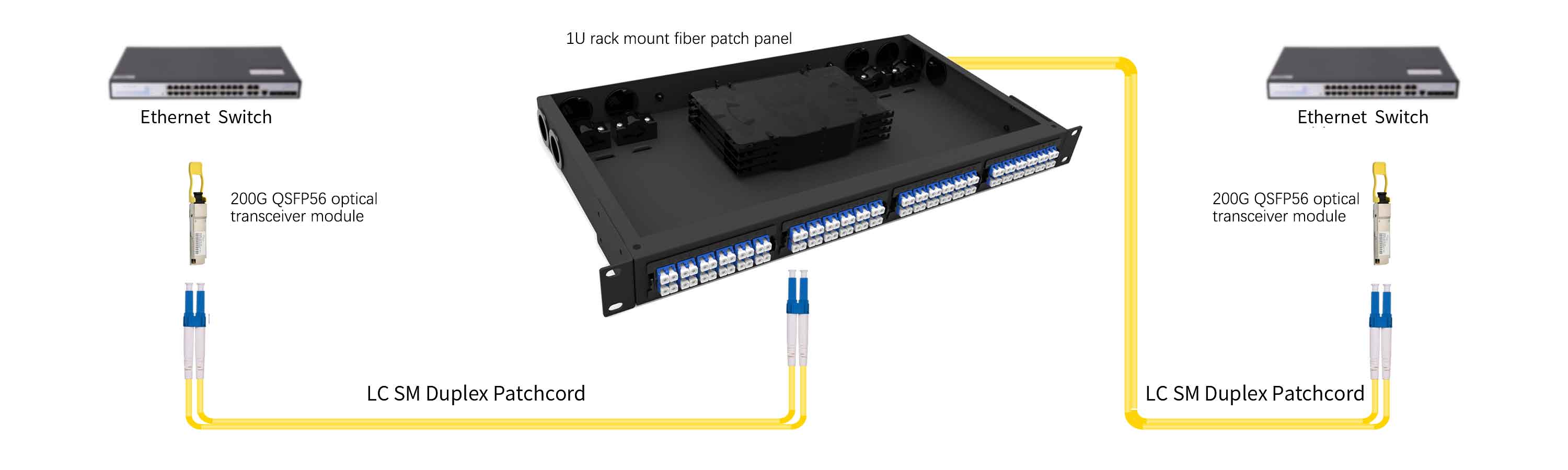
The connectivity solutions for the 200G FR4 QSFP56 optical transceiver offer several advantages. The optical transceiver can be connected to network switches and other equipment using LC duplex patch cables, which provide efficient high-speed data transmission over short to medium distances. Optical Distribution Frames play a crucial role in providing centralized management of fiber optic, facilitating organized optical cable routing and maintenance. Ensuring compatibility with network switches equipped with suitable interfaces is essential for seamless integration. Proper optical cable management not only reduces the risk of signal degradation but also improves overall network performance by maintaining the integrity of the connections.
Optical Transceiver Modules Tested in Host Devices for Proven Interoperability
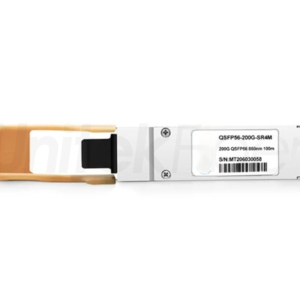
Ensuring interoperability between optical transceiver modules and host devices is of utmost importance in optical network systems. The 200G QSFP56 optical transceiver module serves as a vital component, enabling the efficient transmission and reception of optical signals while converting them to electrical signals for seamless communication between switches. At Op2Link, our optical transceiver modules undergo rigorous testing to guarantee compatibility and flawless operation across various multi-brand switch environments. This testing process ensures that our optical transceiver modules can be confidently integrated into different switch systems, providing reliable and high-performance connectivity within optical networks.

Enabling Seamless Integration: 200G QSFP56 Optical Transceiver’s Backward Compatibility
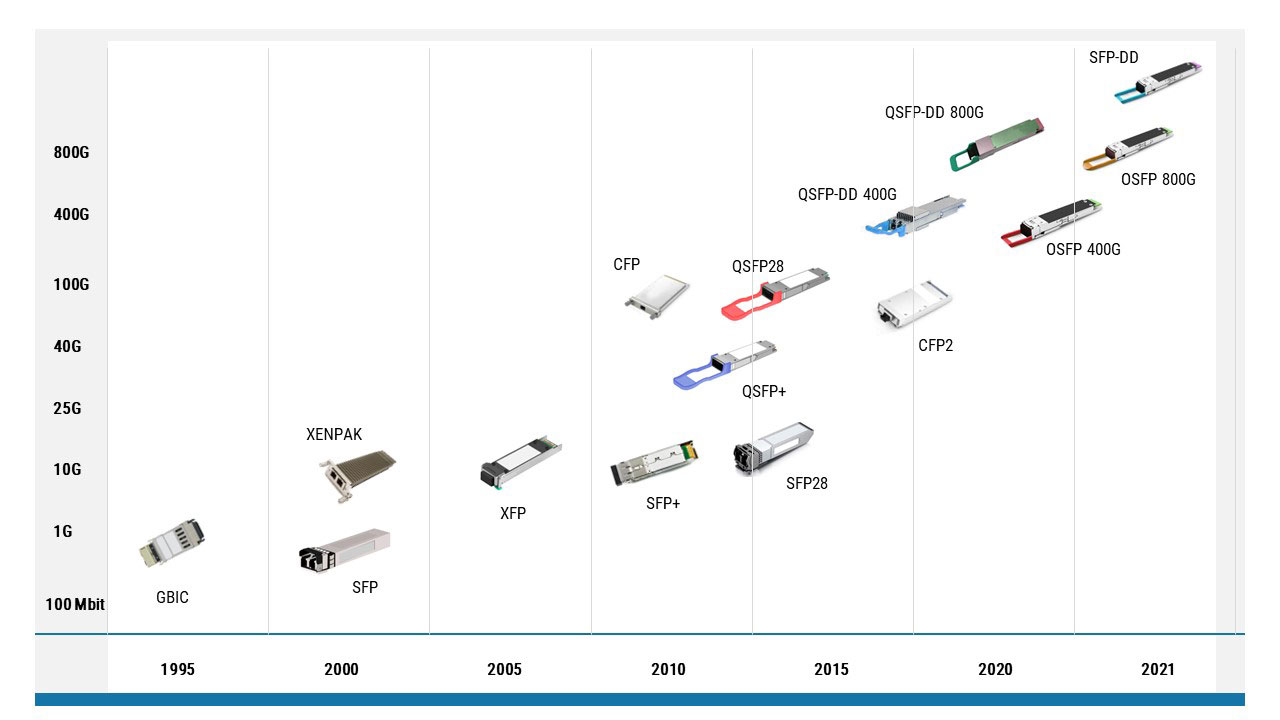
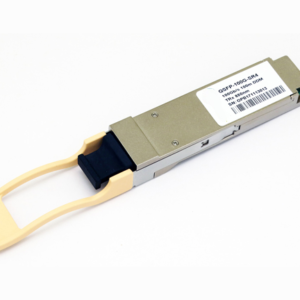
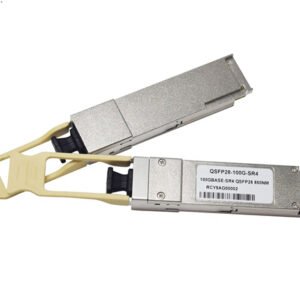
200G QSFP56 optical transceiver offer backward compatibility with QSFP+ and QSFP28 optical transceivers, allowing for a smooth integration and migration process within existing network infrastructures. This compatibility enables the reuse of QSFP+ and QSFP28 optical transceivers, supports multi-speed operation, ensures interoperability, and provides a flexible upgrade path for evolving network requirements. With 200G QSFP56 optical transceiver, network operators can leverage their existing infrastructure while gradually transitioning to higher speeds and enhanced performance.