DESCRIPTION
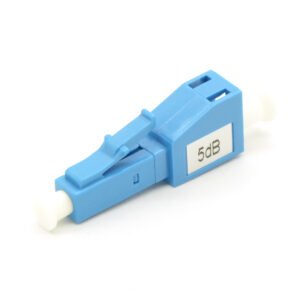
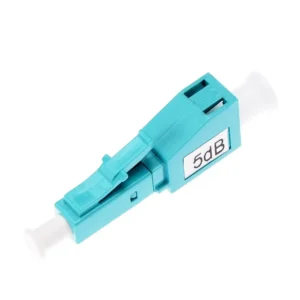
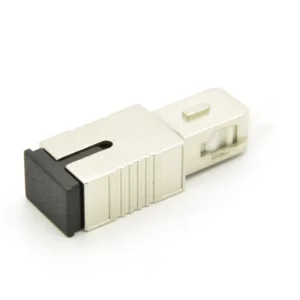
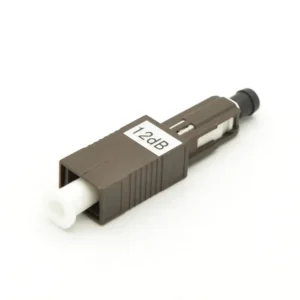
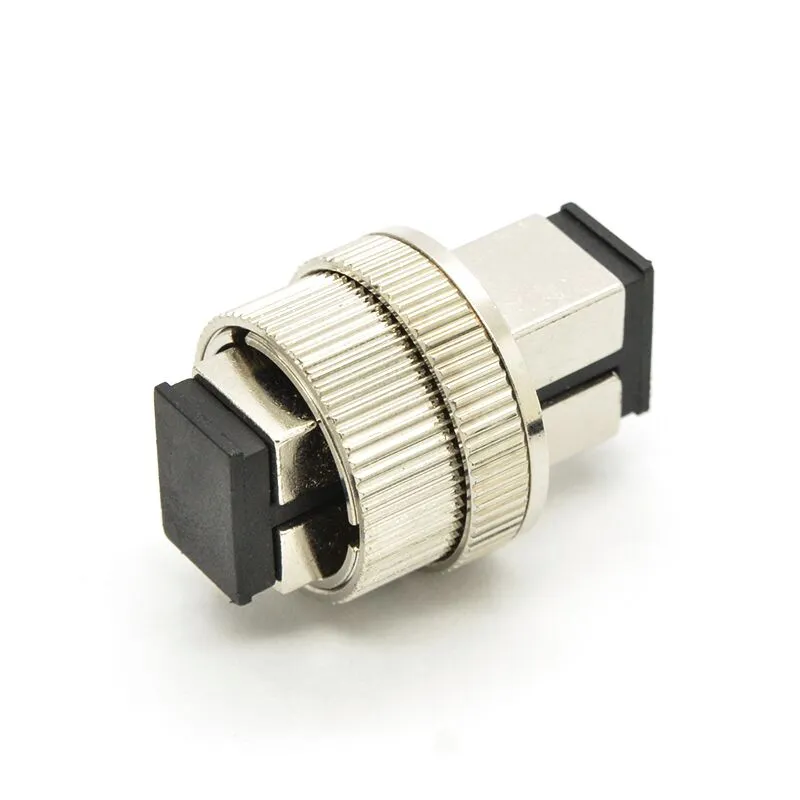
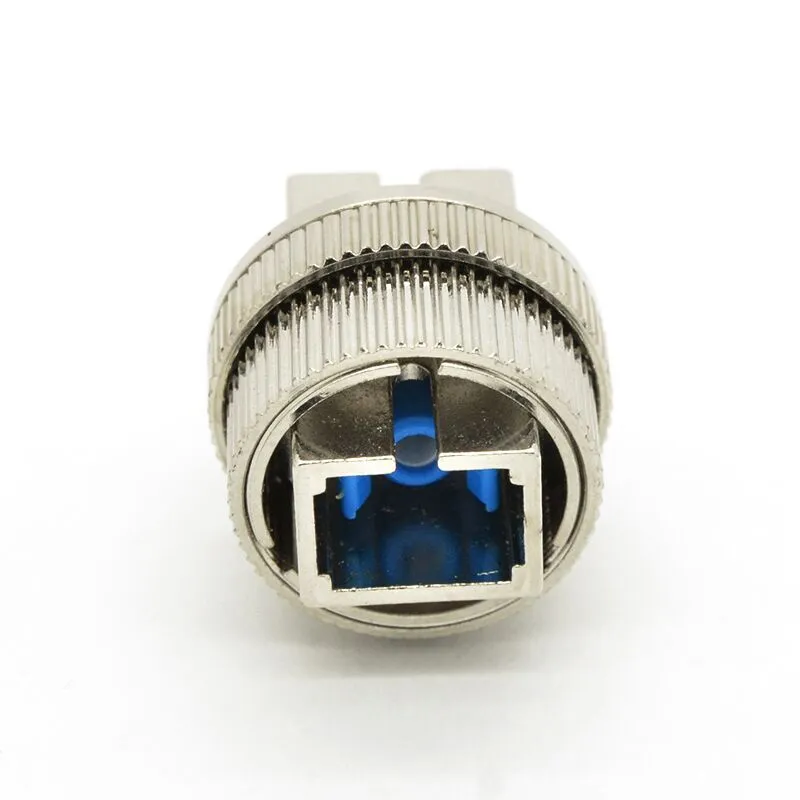
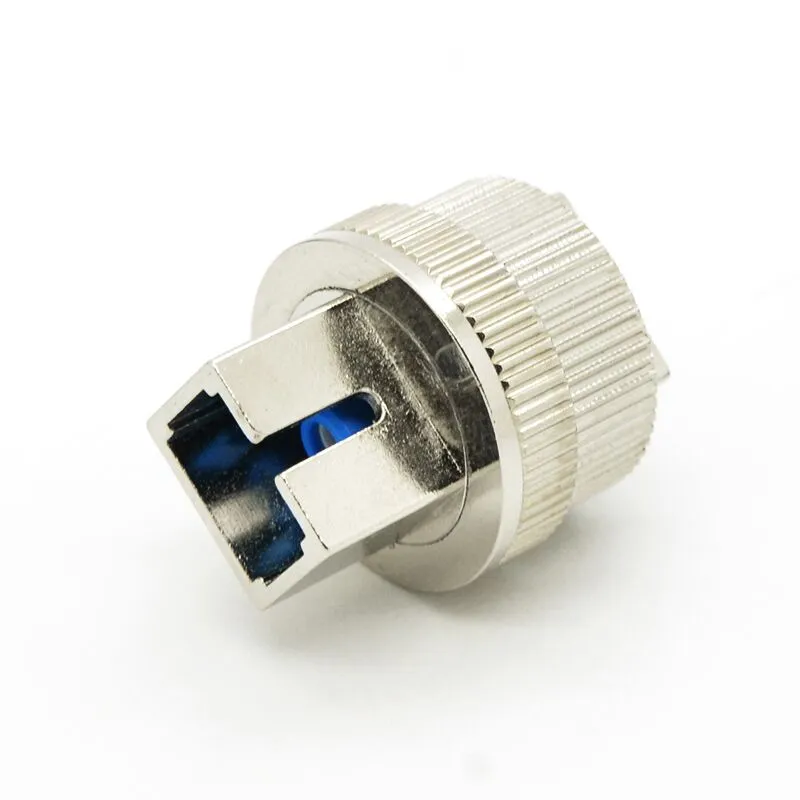
The SC Adjustable Type Fiber Optic Attenuator is designed for high-performance optical power control in both testing and operational environments. With its SC connector, it ensures a stable connection, while the adjustable attenuation feature allows for fine-tuning of signal strength to optimize network performance. This attenuator is suitable for a variety of applications, from telecommunications and data centers to FTTH networks, providing the flexibility needed to adapt to varying optical power levels.
Engineering Suitability & Selection Boundaries
- When This Product Is the Right Choice
- Typically selected when a single-mode link needs variable optical power control (1–30 dB) for commissioning, balancing, troubleshooting, or lab validation.
- Commonly used where the patching ecosystem is standardized on SC interfaces, and technicians need quick insertion at panels/ODFs while maintaining stable mating during adjustments.
- Usually appropriate when the wavelength plan is known (1310 / 1550 or dual) and the goal is to keep receiver input power within an expected operating window without changing the link build.
- Typically suitable for environments where adjustment access is controlled and connector cleaning/inspection practices can be maintained during repeated handling.
- When This Product May NOT Be Suitable
- May not be suitable when the network requires a fixed, auditable attenuation value for long-term service, since adjustable devices can be inadvertently changed during maintenance.
- Commonly unsuitable if the link budget and target receive power are not defined, as “tuning until it works” can mask issues like dirty connectors, macro-bends, or unexpected component loss.
- May not be appropriate when the deployment cannot maintain a consistent UPC vs APC convention around the SC interface, as mixed polish expectations can create unstable reflection behavior and test variability.
- Typically not suitable in uncontrolled field locations where accidental setting changes are likely and would create intermittent performance shifts.
- Common Selection Mistakes to Avoid
- Using a variable attenuator as a permanent patch without documenting the final setting, which commonly makes later troubleshooting ambiguous.
- Adjusting attenuation before confirming baseline conditions (connector cleanliness and baseline link loss), which commonly hides the true root cause of signal problems.
- Mixing different SC polish ecosystems across the same segment without clear labeling/procedures, which commonly causes avoidable performance variation.
Feature Details

- Adjustable Attenuation: Easily adjustable from 0 dB to 30 dB, offering precise control to meet specific network requirements.
- SC Connector: The SC connector ensures a secure, low-loss connection and is widely used in telecom and data applications.
- High-Quality Performance: Low insertion loss and high return loss, ensuring minimal impact on network performance.
- Durability: Designed with high-quality materials to withstand frequent use and environmental stress, ensuring a long service life.
- Broad Compatibility: Ideal for various fiber optic systems, including FTTH, telecom, and data center networks.
Product Specifications:
| Fiber Connector | SC |
|---|---|
| Transfer Mode | Single mode |
| Connector Gender | Adjustable |
| Attenuation Range | 1-30dB |
| Attenuation Accuracy | ±0.5dB(1dB-10dB); ±1.0dB(11dB-25dB) |
| Available Wavelengths | 1310nm,1550nm,1310&1550nm |
| Wavelength Dependence | <0.3dB Change in insertion loss for 1310-1550nm |
| Return Loss | ≥50dB(UPC); ≥60dB(APC) |
| Polarization Dependent Loss | ≤0.2dB |
| Temperature Range | -40-80°C(≤0.2dB in insertion loss) |
| Humidity Range | +/-0.2dB Change in 10% to 90% relative Humidity Range |
| Vibration | ≤0.1dB Change between 10Hz to 55Hz |
| Drop | +/-0.2dB after 8 drops from 1.8meters onto a hard surface |
| Maximum Optical Input Power | 200mW |
Application Details

- Telecommunication Networks: Allows precise control over signal strength, ensuring consistent network performance and signal integrity.
- Test and Measurement Systems: Ideal for use in optical test setups where fine control over signal attenuation is required.
- Data Centers: Used to adjust optical power levels and optimize performance in high-density fiber optic networks.
- FTTH Networks: Helps maintain optimal optical signal strength at the end-user’s premises, ensuring reliable service.
FAQ
Q1: What is the function of an adjustable fiber optic attenuator?
It allows continuous tuning of optical signal power to optimize network performance and prevent receiver overload.
Q2: What attenuation range does this SC adjustable attenuator support?
It supports an adjustable range from 1 dB to 30 dB.
Q3: Is this attenuator suitable for live network use?
Yes, it can be used in both testing environments and operational networks.
Q4: Which wavelengths are supported?
It supports standard telecom wavelengths of 1310 nm and 1550 nm.
Q5: What fiber type is compatible with this attenuator?
This model is designed for single-mode fiber applications.
Q6: What is the maximum optical input power?
The maximum supported optical input power is 200 mW.
Q7: Where is this attenuator commonly used?
It is widely used in telecom networks, FTTH systems, data centers, and optical testing setups.