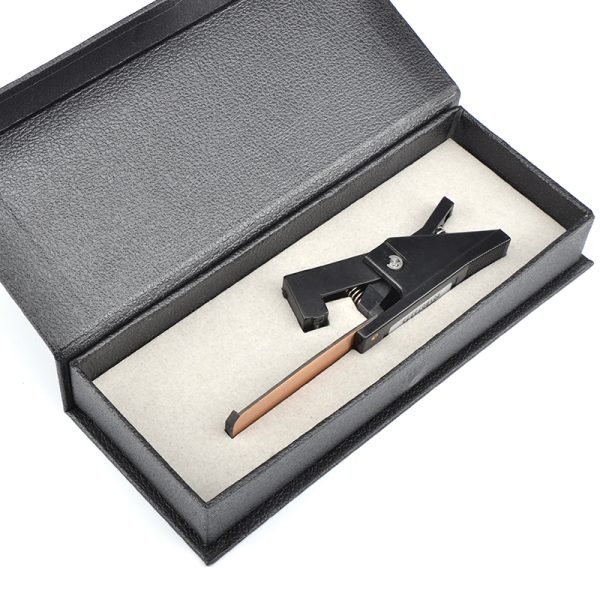
DESCRIPTION
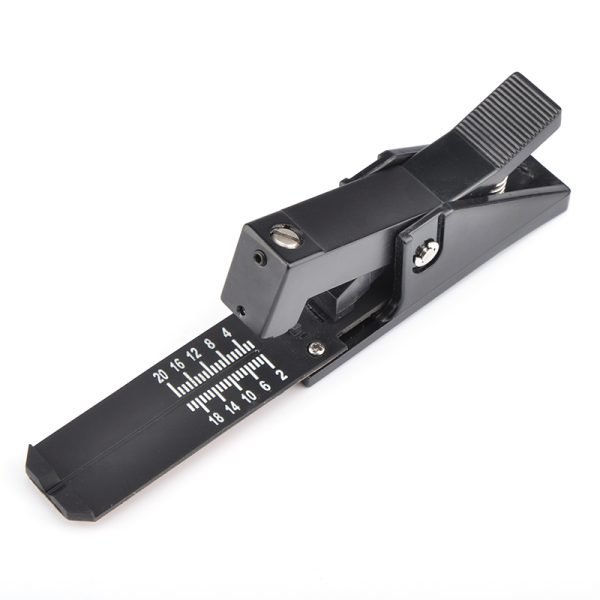
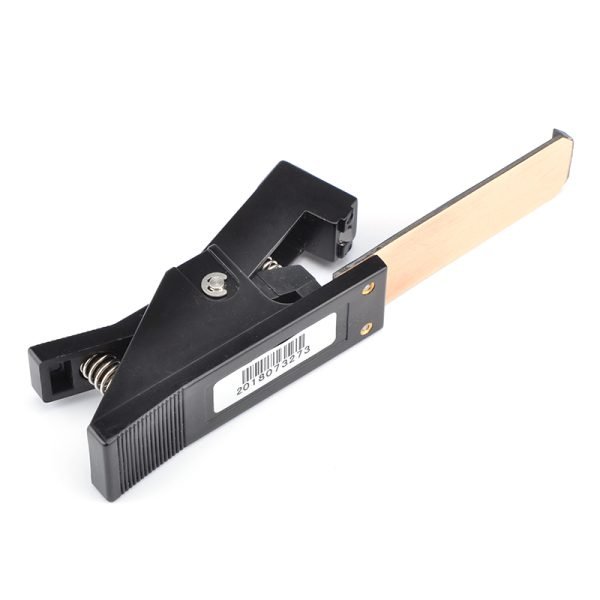
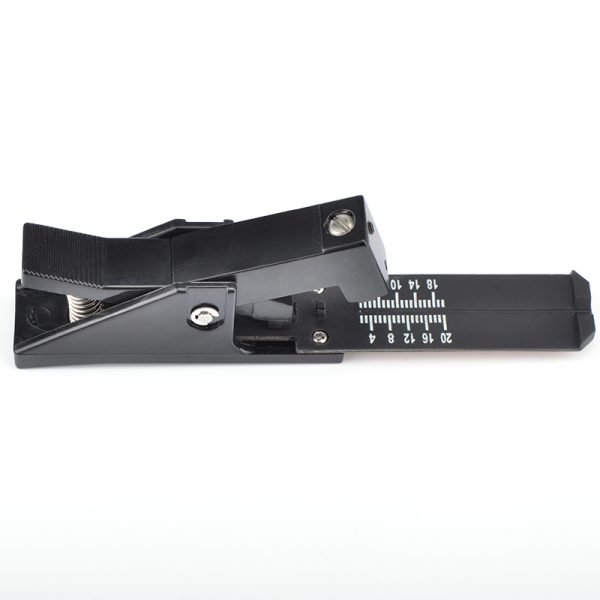
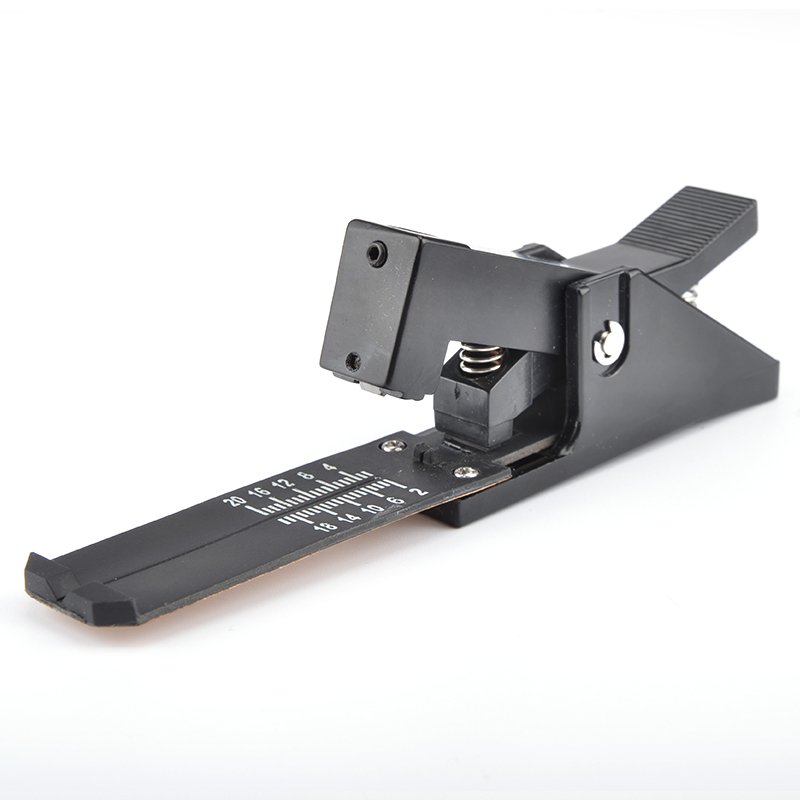
The Fiber Optic Mechanical Splice FOFC-16C is a field-installable splicing solution designed for rapid fiber restoration without fusion splicing equipment. Featuring a self-gripping clamshell structure, it allows technicians to align and secure 125 µm clad fibers quickly and reliably. An optional cyanoacrylate adhesive can be applied to increase pull strength, making it suitable for emergency repairs and temporary or permanent fiber connections in FTTH, telecom, and enterprise networks.
Engineering Suitability & Selection Boundaries
- When This Product Is the Right Choice
- Typically selected when restoration work must be completed without access to fusion splicing equipment, and the priority is to re-establish continuity quickly.
- Commonly appropriate when the field team can keep fiber preparation and handling consistent enough for mechanical alignment and clamping to remain stable.
- Usually a good fit when a splice needs to be integrated into standard splice tray layouts, and the closure/box workflow already supports that form factor.
- Often chosen when the job benefits from having an optional retention step (adhesive) that can be applied according to site practice to increase mechanical holding.
- When This Product May NOT Be Suitable
- May not be appropriate for builds where the connection method is expected to deliver consistently low loss with minimal variability across technicians, since field mechanical alignment outcomes can vary with handling.
- Often not suitable when the fiber being handled does not match the stated 125 µm cladding condition, or when the fiber form requires a different mechanical interface behavior.
- May be less suitable when the team cannot maintain a controlled process for the adhesive decision (use vs. non-use) and its execution, leading to inconsistent mechanical strength between sites.
- May not be the right choice when long-term reliability requirements demand a connection method with less dependence on on-site handling consistency than a mechanical clamp-style joint typically allows.
- Common Selection Mistakes to Avoid
- Treating the splice as “push-and-go” and overlooking basic preparation discipline, which commonly leads to unstable alignment and variable transmission results.
- Switching between “with adhesive” and “without adhesive” practices across technicians without a shared rule, creating inconsistent pull robustness between repairs.
- Applying adhesive without a controlled habit (amount/placement/cleanliness), which can introduce contamination-related variability that is difficult to troubleshoot later.
- Assuming tray compatibility alone guarantees field robustness, while neglecting how the splice is secured and handled inside the enclosure during closure and subsequent service.
Feature Details
Self-Gripping Clamshell Structure
The clamshell design automatically aligns and holds fibers in place, reducing installation time and minimizing alignment errors during field splicing.
Optional Adhesive for Higher Pull Strength
When cyanoacrylate adhesive is applied, the splice achieves a pull strength of up to 1.5 lbs, improving mechanical reliability in restoration scenarios.
Low Insertion Loss Performance
With a typical insertion loss of 0.2 dB, the splice supports stable optical transmission suitable for emergency and maintenance applications.
Universal Splice Tray Compatibility
The compact form factor allows the splice to fit into standard splice trays, simplifying integration into existing closures and termination boxes.
Designed for Emergency Restoration
Optimized for speed and ease of use, the FOFC-16C is ideal when fusion splicing equipment is unavailable or time-critical repairs are required.
Product Specifications
| Parameter | Specification |
| Product Type | Fiber Optic Mechanical Splice |
| Model / P/N | FOFC-16C |
| Fiber Type | Single-mode / Multimode |
| Cladding Diameter | 125 µm |
| Typical Insertion Loss | ≤ 0.2 dB |
| Pull Strength | Up to 1.5 lbs (with adhesive) |
| Splice Design | Self-gripping clamshell |
| Adhesive Option | Cyanoacrylate (optional) |
| Splice Tray Compatibility | Fits standard splice trays |
| Installation Method | Tool-assisted field installation |
Application Details
- Rapid restoration of broken fibers in FTTH access networks
- Temporary splicing during maintenance or testing operations
- Emergency fiber repairs in telecom field deployments
- Enterprise network troubleshooting and cable recovery
- Backup splicing solution carried in technician toolkits
FAQ
Q1: What is a fiber optic mechanical splice used for?
It is used for fast fiber splicing in the field, especially during emergency restoration or maintenance work.
Q2: Does this splice require fusion splicing equipment?
No. It is designed for field installation without fusion splicers.
Q3: What fiber types are supported?
It supports both single-mode and multimode fibers with 125 µm cladding.
Q4: What is the typical insertion loss?
The typical insertion loss is ≤ 0.2 dB.
Q5: Is adhesive required for installation?
Adhesive is optional. When used, it increases pull strength up to 1.5 lbs.
Q6: Can it be used for permanent installations?
Yes. It can be used for both temporary and permanent splicing, depending on application requirements.
Q7: Will it fit into standard splice trays?
Yes. The FOFC-16C is compatible with standard fiber optic splice trays.
Q8: Is this product suitable for FTTH field work?
Yes. It is widely used in FTTH last-mile installation and emergency repair scenarios.