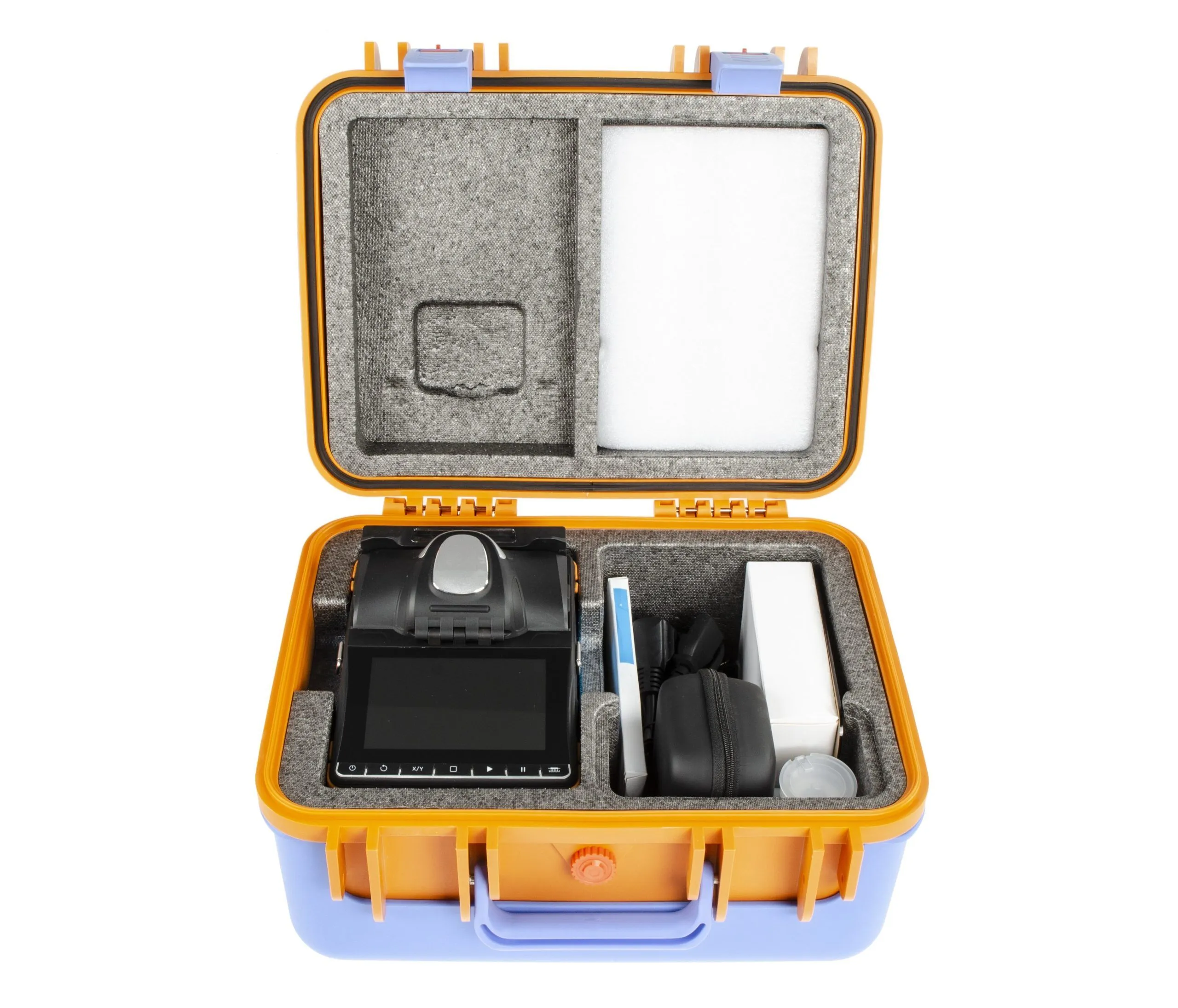
DESCRIPTION

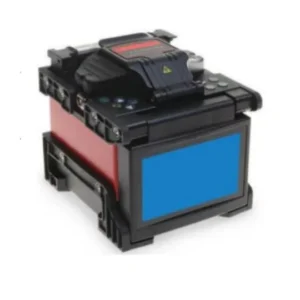
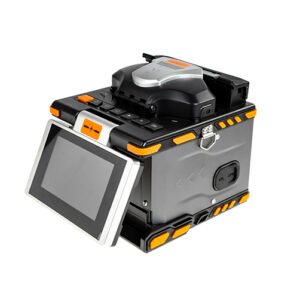
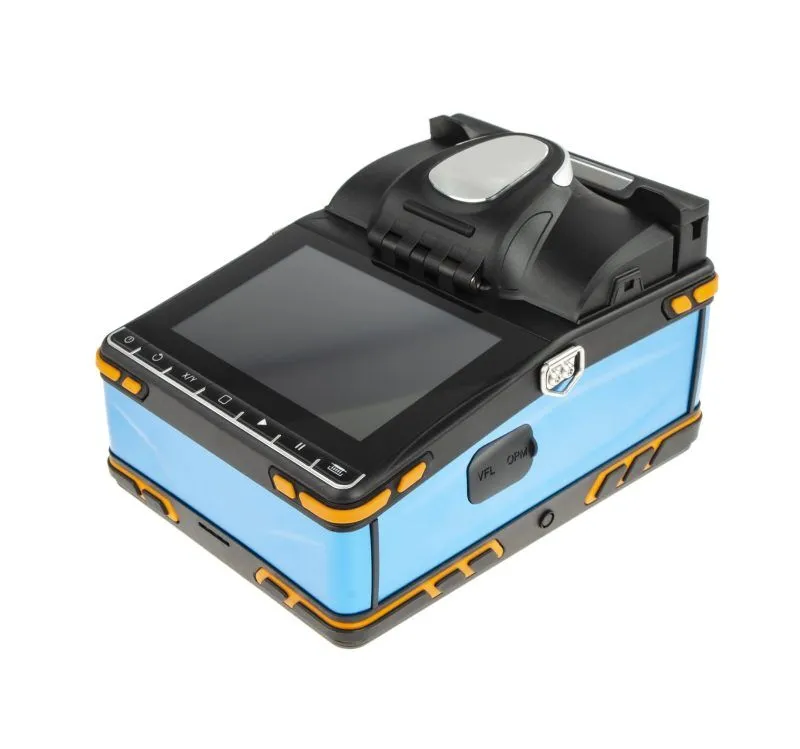
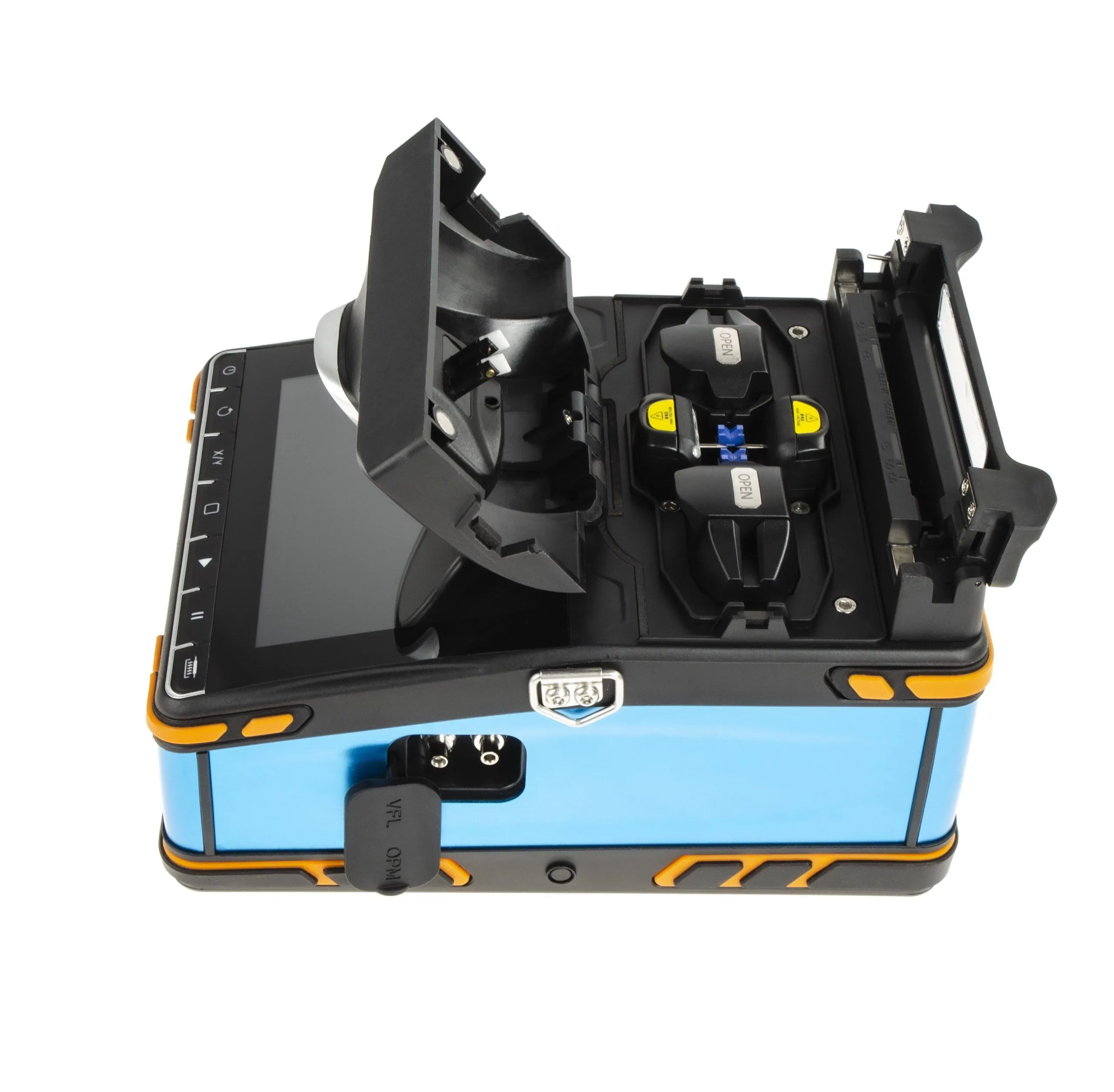
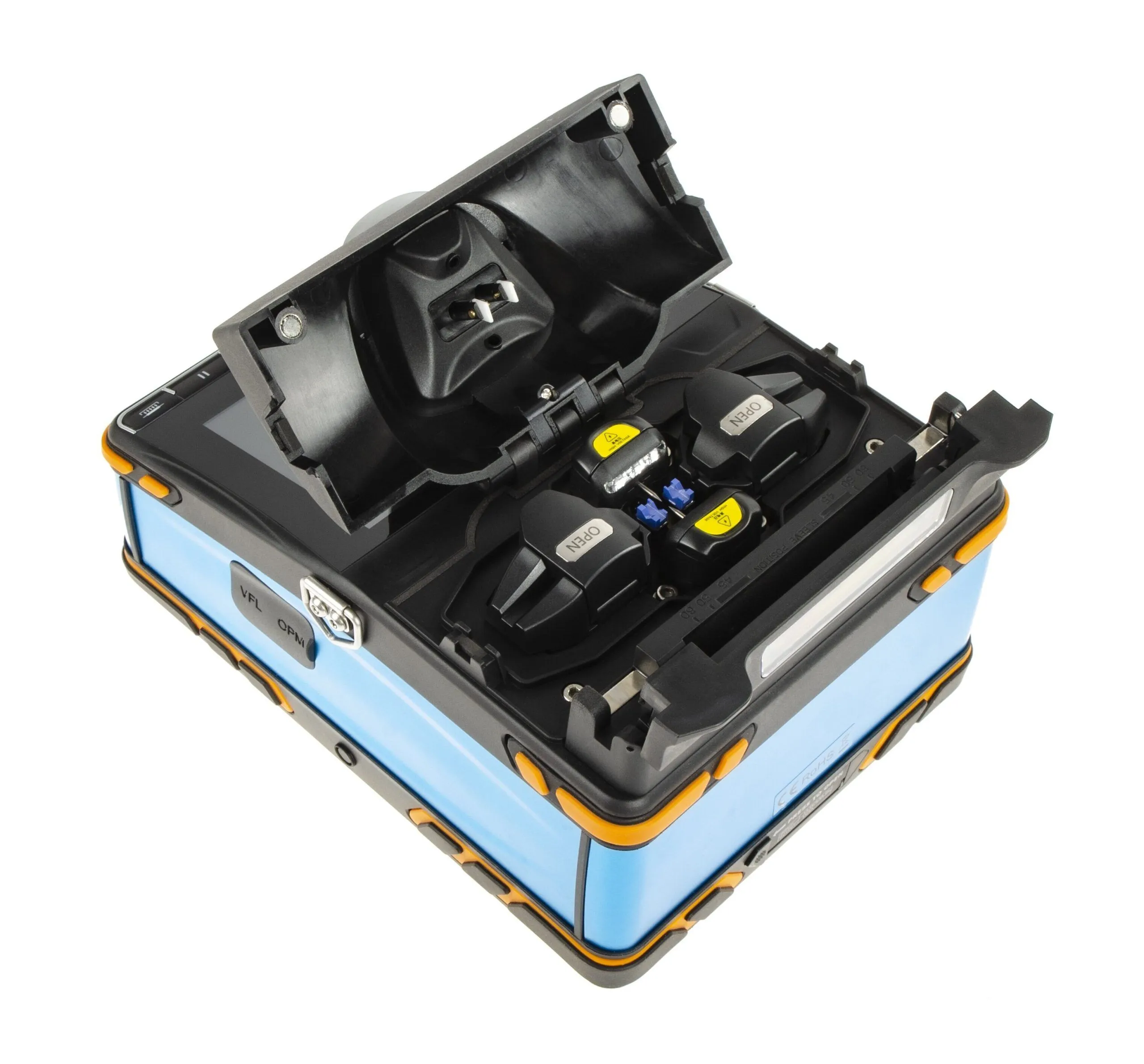
The K5 Fiber Optic Fusion Splicer is a high-efficiency core alignment fusion splicing tool built for both field technicians and contractors handling large-scale fiber installation. With a powerful 64-bit industrial-grade CPU and 6-motor core positioning system, K5 delivers unmatched precision, speed, and adaptability even in harsh environments — from high altitudes to subzero temperatures.
Whether you’re working on FTTH, backbone, or emergency deployments, K5 ensures you stay ahead of deadlines while maintaining top-tier splicing quality.
Engineering Suitability & Selection Boundaries
- When This Product Is the Right Choice
- Typically suitable when projects involve mixed fiber types (SMF/MMF/DSF/NZDSF) and need consistent, repeatable splicing across varied field conditions.
- Commonly selected when crews benefit from core/cladding auto-alignment with 6-motor positioning, especially where alignment variability would commonly drive rework.
- Usually a good fit for deployments where an all-in-one workflow is valued and teams want integrated VFL + OPM to verify continuity and power/loss checks without swapping tools.
- Often appropriate when job sites may include high altitude or windy conditions, and the splicer must remain usable within defined environmental limits.
- Typically chosen when productivity matters and teams can consistently use preheating and sleeve-length routines to keep cycle time stable across crews.
- Commonly suitable when field operations need a battery-driven workflow and the team can maintain charge discipline and storage handling for readiness.
- When This Product May NOT Be Suitable
- May not be appropriate when the work environment frequently exceeds the stated boundaries (e.g., conditions that commonly create condensation or unstable handling), since splice consistency may degrade in practice.
- Typically less suitable when teams cannot maintain electrode lifecycle and cleanliness routines, as performance drift commonly shows up before obvious failure.
- May not be suitable where policy requires external, standardized measurement instruments only, and integrated VFL/OPM verification is not allowed in the acceptance workflow.
- Often not ideal when the required work requires significantly more traceability than basic on-device splice records provide, and consistent export/record handling cannot be ensured.
- May be less suitable when crews regularly splice fiber sizes or coating conditions that are outside the supported cladding/coating windows, as clamp stability and setup repeatability may suffer.
- Common Selection Mistakes to Avoid
- Treating “6-motor core alignment” as eliminating the need for consistent setup—different fiber categories commonly require different process settings and verification habits.
- Using built-in OPM readings without standardizing wavelength selection and reference routines, which commonly reduces comparability across sites and teams.
- Relying on VFL visibility as a proxy for splice quality—VFL is typically for continuity/fault visibility, not a full indicator of loss behavior.
- Ignoring consumable discipline (electrodes, cleaning, sleeve handling), which commonly increases rework even when fusion time is fast.
- Skipping consistent record export practices, resulting in “records exist” but cannot support troubleshooting reviews or repeated deployment phases.
Product Specifications
| Parameter | Details |
| Applicable Fibers | SMF (G.652), MMF (G.651), DSF (G.653), NZDSF (G.655) |
| Fiber Diameter | Cladding: 80–150 μm; Coating: 0.1–3 mm |
| Splice Loss (typical) | SMF: ≤0.02 dB; MMF: ≤0.01 dB; DSF/NZDSF: ≤0.04 dB |
| Alignment Method | Core/cladding, 6-motor auto alignment |
| Fusion Time | 8 seconds |
| Heating Time | 18 seconds (adjustable: 0–60s) |
| Heat Shrink Sleeves | 20 mm, 30 mm, 40 mm, 50 mm, 60 mm |
| Memory Capacity | 1000 splice records |
| Magnification | 300x (X/Y), 150x (X/Y sync) |
| Pull Test | 1.96–2.25 N |
| Display | 5.5” HD capacitive touchscreen |
| Interface | GUI graphical user interface |
Power, Connectivity & Environmental Parameters
| Parameter | Details |
| Battery Capacity | 7800 mAh (approx. 240 cycles per charge) |
| Charging Time | ≤3.5 hours |
| Input Voltage | DC 11.1 V |
| USB Output Port | 5V / 500mA |
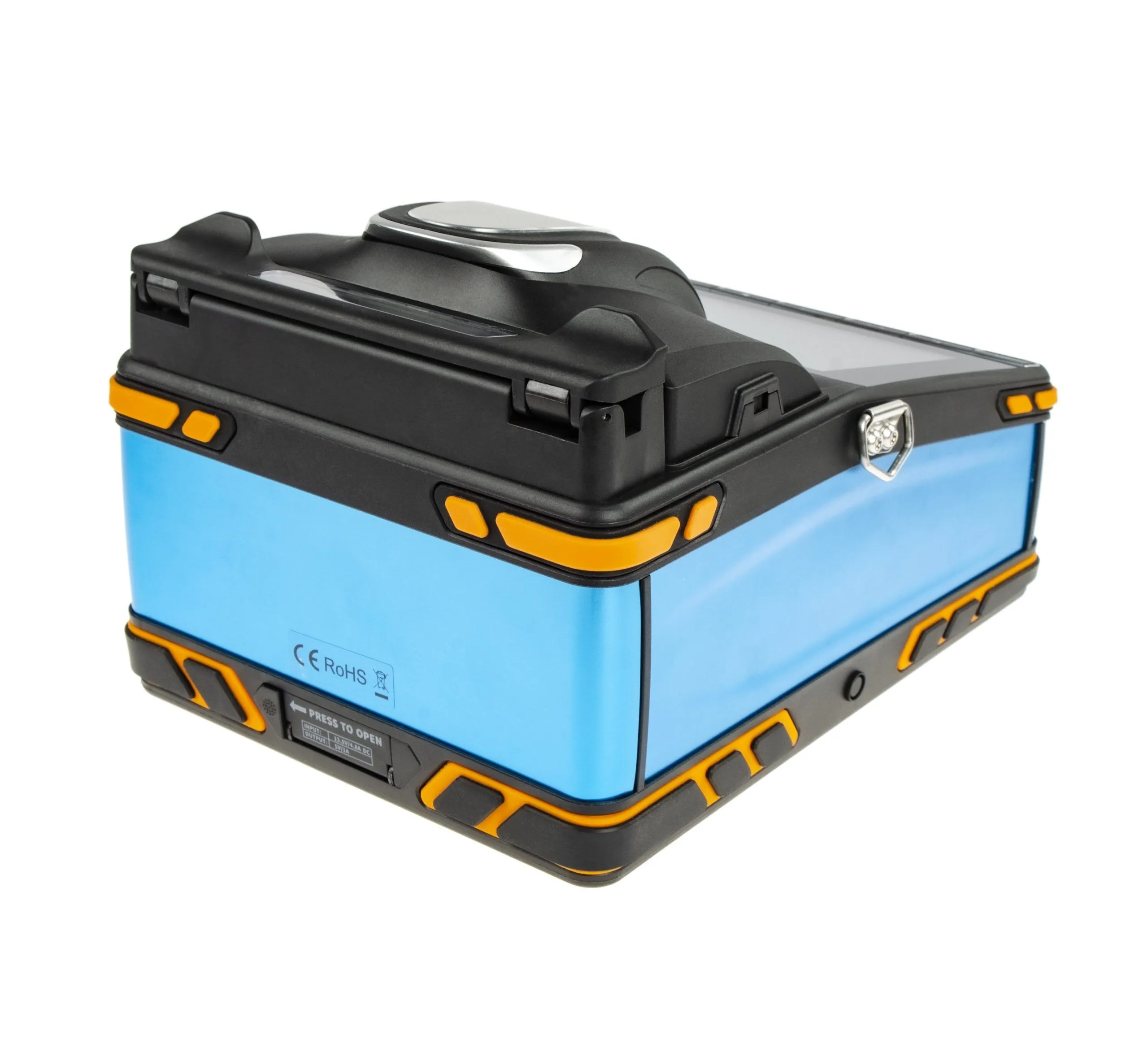
| Charger Spec | AC 100–240V, 50/60Hz → DC 13.5V / 4A |
| Electrode Life | ≥3000 uses |
| Operating Temperature | -15°C to +50°C |
| Storage Temperature | -40°C to +80°C |
| Humidity (non-condensing) | ≤95% RH |
| Altitude Range | 0–5000 m |
| Wind Resistance | ≤15 m/s |
| Size (L×W×H) | 190 × 146 × 117 mm |
| Weight | 1.74 kg (with battery), 1.24 kg (without) |
| VFL Output | ≥10 mW |
| OPM Range | -70 to +3 dBm (850–1625nm), ±0.5% accuracy |
Feature Details
- 6-Motor Core Alignment: Ultra-precise positioning with micro-step technology for lossless fusion.
- Industrial 4-Core CPU: 64-bit architecture guarantees stability even in harsh environments.
- Preheating Function: No downtime—start heating sleeves before fusion ends to save time.
- All-in-One Integration: Combines splicer, VFL, and OPM for a complete field toolkit.
- User-Centric Interface: GUI touch screen and real-time graphical feedback streamline operations.
Application Details
- Telecom network deployment and maintenance
- Fiber-to-the-home (FTTH) installations
- Government and defense fiber projects
- Rural broadband and disaster recovery setups
- Harsh condition operations (cold, high wind, high altitude)
Additional Information
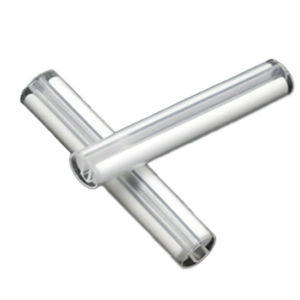
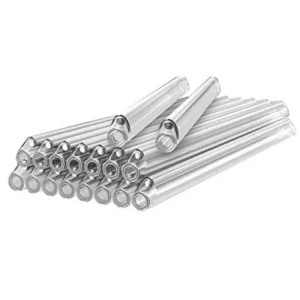
- Supported Heat-Shrink Tubes: 20mm / 30mm / 40mm / 50mm / 60mm
- Data Export: USB support for fusion records and firmware upgrades
- Energy-Saving Mode: Auto power-off and power-saving functionality
- Rental Mode: Ideal for service providers and equipment resellers
- Optional Accessories: Covered wire stripper, additional electrodes, language customization
Standard Configuration

- K5 Fusion Splicing Machine
- High-precision fiber cleaver
- Electrode rods × 2
- Fiber stripper + Miller pliers
- Calibration fiber
- Shoulder straps (short & long)
- Alcohol bottle
- Power adapter
- User manual
- Certificate of Conformity
- Warranty Card
FAQ
Q1: What is the difference between K5 and standard 4-motor splicers?
K5’s 6-motor system provides higher alignment accuracy and reliable splicing under more fiber conditions.
Q2: What is the typical heating time?
Around 12–15 seconds.
Q3: Are VFL & OPM included?
Yes, both are built into the splicer.
Q4: Can it operate in harsh environments?
Yes, features shock-proof, dust-proof, and wind-resistant construction.
Q5: Does K5 support SOC connectors?
Yes, fully compatible.
Q6: What display does it use?
Large LCD with intuitive UI for easy operation.
Q7: What industries use K5?
Telecom, ISP field teams, FTTH contractors, backbone maintenance units.