DESCRIPTION
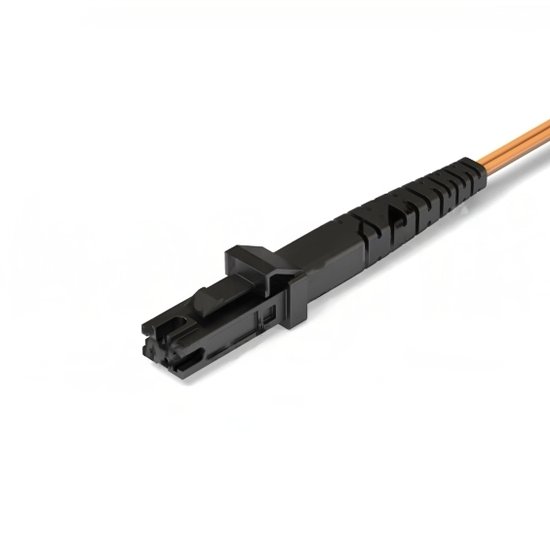
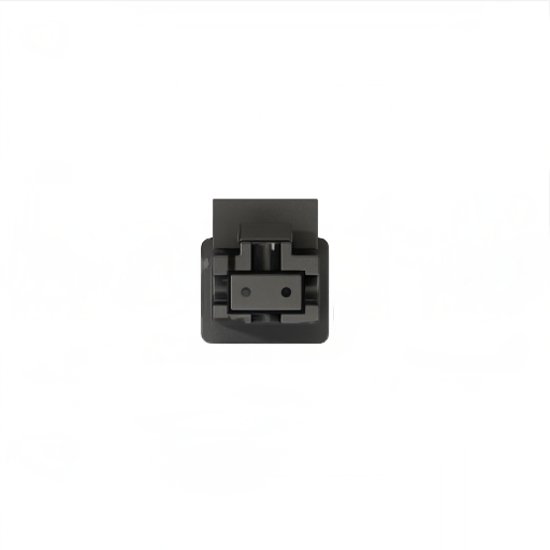
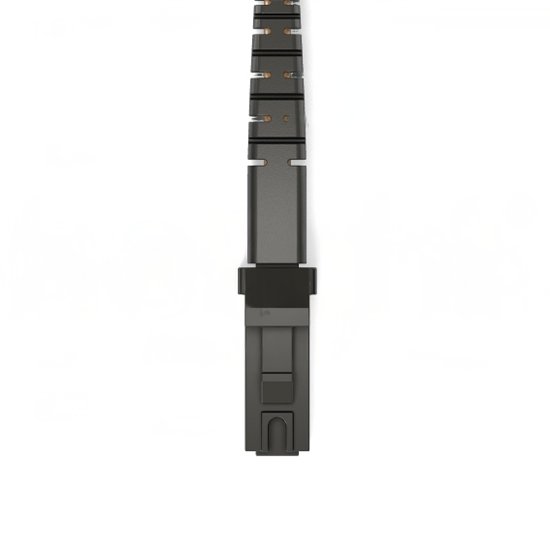
The MTRJ SM & MM Fiber Optic Connector is a compact, high-performance duplex connector ideal for high-density fiber optic applications. It features a dual-fiber ferrule with a push-pull mechanism that simplifies connection and disconnection, ensuring consistent and secure mating. Compatible with 2.0mm or zipcord-style cables, this connector is available for both single-mode (SM) and multi-mode (MM) fiber types. Its compact structure makes it a top choice for modern networking environments where space and performance are critical.
Engineering Suitability & Selection Boundaries
- When This Product Is the Right Choice
- Typically selected when the cabling plan needs a compact duplex connector that terminates two fibers in one body to increase port density in patch panels and active equipment.
- Commonly used when the cable structure is standardized as 2.0 mm round or zipcord duplex, matching the connector’s intended strain relief and duplex routing method.
- Usually appropriate for environments where technicians benefit from a push-pull latch to simplify access in crowded racks while keeping mating stable.
- Typically suitable when the network segment clearly defines fiber mode and polish (SM vs MM; PC/APC for SM where applicable) to keep return-loss behavior consistent.
- When This Product May NOT Be Suitable
- May not be suitable when the site is standardized on more common duplex interfaces (e.g., LC duplex) and cannot support MTRJ ecosystem consistency across patch cords, panels, and equipment ports.
- Commonly unsuitable if the installation team cannot maintain a consistent termination process and inspection routine, since duplex ferrule alignment quality can drive channel variability.
- May not be appropriate when the cabling environment requires frequent changes but lacks clear labeling/management, as duplex-in-one-body connectors can increase troubleshooting complexity if routing conventions are inconsistent.
- Typically not suitable when the cable type is outside 2.0 mm / zipcord expectations, as retention and long-term stability depend on correct cable fit.
- Common Selection Mistakes to Avoid
- Choosing MTRJ for density without confirming equipment and panel compatibility (port adapters, patch cord availability), which commonly causes integration delays.
- Mixing SM/MM or polish conventions without a strict rule, which commonly leads to inconsistent return-loss expectations during commissioning.
- Treating “duplex in one ferrule” as simpler without enforcing good labeling and duplex polarity discipline, which commonly increases rework during turn-up.
Feature Details
- Dual-fiber ferrule: Simplifies termination and alignment of two fibers in a single connector body.
- Precision molded housing: Ensures durability and consistent optical performance.
- Ceramic ferrule technology: Provides low insertion loss and high return loss for both SM and MM.
- Ideal for modular patch panels: Widely used in rack-mount fiber patch systems.
- Tool-friendly assembly: Compatible with a range of industry-standard installation tools.
Specification
| Parameter | Description |
| Connector Type | MTRJ |
| Fiber Type | Single-mode (SM) & Multi-mode (MM) |
| Ferrule Material | Ceramic |
| Cable Diameter | 2.0mm or zipcord |
| Insertion Loss | ≤ 0.3 dB (typical) |
| Return Loss | ≥ 50 dB (SM), ≥ 30 dB (MM) |
| Operating Temperature | -40°C to +85°C |
| Mating Durability | > 1000 cycles |
| Color | Black (standard) |
| Polish Type | PC or APC (SM), PC (MM) |
Application Details
- Network Expansion: The compact size of the MTRJ connector helps maximize port density in patch panels and switches.
- Multimode Data Communication: Ideal for Gigabit Ethernet, Fast Ethernet, and other high-speed applications.
- Secure Terminations: Push-pull design and precision ferrules ensure signal integrity and easy operation, especially in limited access areas.
- Field Deployments: The durable design supports long-term stability in demanding environments.
FAQ
Q1: What is the main advantage of an MTRJ connector?
It combines two fibers into a single duplex connector, increasing port density and reducing space requirements.
Q2: Does the MTRJ connector support both SM and MM fibers?
Yes. It is available for both single-mode and multimode fiber applications.
Q3: What cable types can be used with this connector?
It is compatible with 2.0 mm round cables and zipcord-style duplex cables.
Q4: What insertion loss performance can be expected?
Typical insertion loss is ≤0.3 dB when properly terminated.
Q5: Is it suitable for data center applications?
Yes. Its compact duplex design makes it well suited for high-density data center cabling.
Q6: What type of latching mechanism does it use?
It uses a push-pull latch for easy connection and disconnection.
Q7: How durable is the connector?
It is rated for more than 1000 mating cycles with stable optical performance.
Q8: What polishing options are available?
Single-mode versions support PC or APC polishing, while multimode versions typically use PC polish.