DESCRIPTION
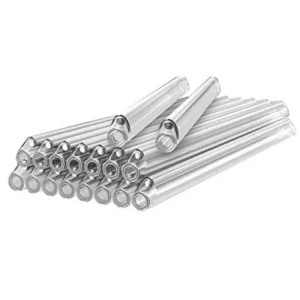
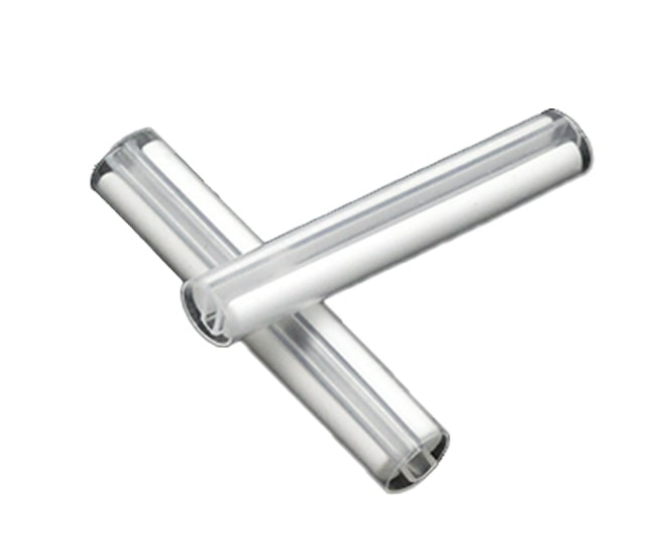
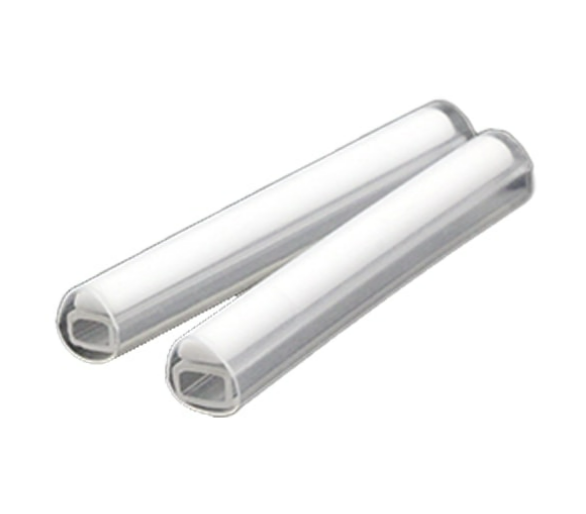
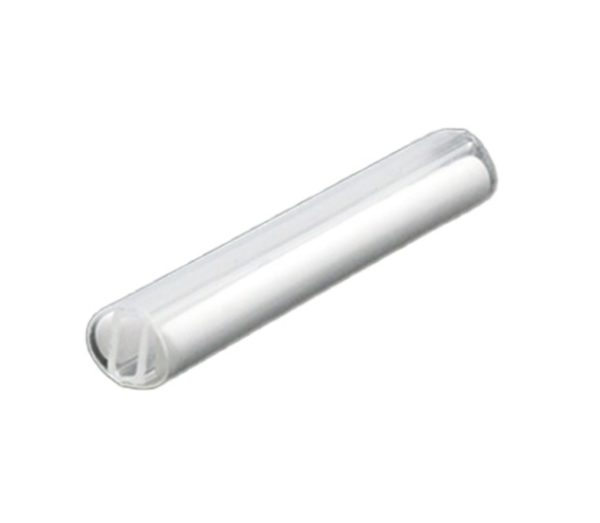
The 4-12F Ribbon Fiber Fusion Splice Sleeve is specifically designed for splicing and protecting ribbon fibers in high-density environments. Its unique design combines a ceramic rod, hot fusion tubing, and clear heat-shrinkable cross-linked polyolefin, providing exceptional strength and durability. This sleeve ensures mechanical stability while maintaining the optical properties of the fiber.
Engineering Suitability & Selection Boundaries
- When This Product Is the Right Choice
- Typically selected for protecting 4F/8F/12F ribbon fusion splices in high-density builds where multi-fiber mechanical stability is needed within a limited tray or cassette space.
- Commonly suitable when using ribbon fusion splicing workflows and holders designed for ribbon format, since the sleeve structure is intended to maintain alignment and protection across a flat ribbon splice area.
- Usually appropriate for environments where moisture and temperature variation are expected and a reinforced sleeve structure (with rod support and heat-shrink layers) helps maintain long-term splice protection.
- Typically a good fit when visual inspection of the splice area after heat recovery is part of the installation routine, as clear tubing supports quick verification before final tray placement.
- When This Product May NOT Be Suitable
- May not be appropriate for single-fiber splice protection or for trays/cassettes that lack ribbon-holder slots, since the ribbon sleeve geometry commonly requires specific seating space and restraint features.
- May not be suitable when the available heater/tray process cannot provide even, controlled heating across the sleeve length, as uneven recovery can commonly reduce sealing integrity or create local deformation.
- May not be appropriate for workflows that frequently mix different ribbon counts without confirming sleeve-to-ribbon format, since mismatch can commonly complicate positioning and reduce protection consistency.
- Common Selection Mistakes to Avoid
- Commonly treating ribbon sleeves as interchangeable with single-fiber sleeves, which typically leads to tray fit issues or inadequate restraint in high-density splice management.
- Typically overlooking tray/cassette compatibility before field deployment, which commonly results in rework when the sleeve cannot sit correctly in the designated ribbon splice area.
- Commonly applying heat too unevenly or too quickly in dense workspaces, which usually causes inconsistent recovery and reduces moisture sealing and mechanical stability.
- Usually selecting a ribbon sleeve without aligning it to the ribbon count format (4F/8F/12F), which commonly increases handling difficulty and drives inconsistent splice protection outcomes.
Feature Details

- Comprehensive Protection:
- Rebuilds the fiber coating and safeguards the fusion joint area.
- Prevents moisture infiltration and environmental damage.
- Temperature Resistance:
- Operating temperature: -45°C to 135°C.
- Minimum shrink temperature: 80°C.
- Full recovery temperature: 120°C.
- Simple and Reliable:
- Clear tubing allows for easy inspection of the fiber splice.
- Installation requires minimal effort and provides long-term reliability.
Product Specifications

Application Details

- Telecom Installations: Protects fusion splices in high-capacity networks.
- FTTH Projects: Ensures durability and reliability in residential optical networks.
- Data Centers: Offers dependable splice protection in dense cable environments.
- Harsh Environments: Resistant to moisture, heat, and mechanical stress.
FAQ
Q1: Which ribbon counts are supported?
4F, 8F, and 12F standard ribbon fibers.
Q2: Can these sleeves be used in mass fusion splicing?
Yes, designed specifically for ribbon fusion machines.
Q3: Are they stronger than single-fiber sleeves?
Yes, built with reinforced structure for multi-fiber protection.
Q4: What closure types accept ribbon sleeves?
Most ODF, fiber trays, and splice cassettes with ribbon holder slots.
Q5: What is the shrink temperature?
Typically 120–150°C.
Q6: Are customized ribbon counts available?
Special counts like 6F or 24F can be produced.
Q7: Do they resist humidity and temperature changes?
Yes, designed for stable long-term protection.